How Long Do Dental Crowns Last? Tips to Make Them Last Longer
Restoring your smile is about more than just appearance; it’s about regaining the strength to eat, speak and laugh with confidence. If you have recently invested in dental crowns on the Central Coast, you likely want to ensure that your new restoration stands the test of time.
While crowns are designed to be durable, their lifespan depends on factors such as oral hygiene, daily habits and the type of material used. With the right care and regular dental visits, many patients benefit from tooth restoration for longevity that supports both function and appearance.
What Are Dental Crowns?
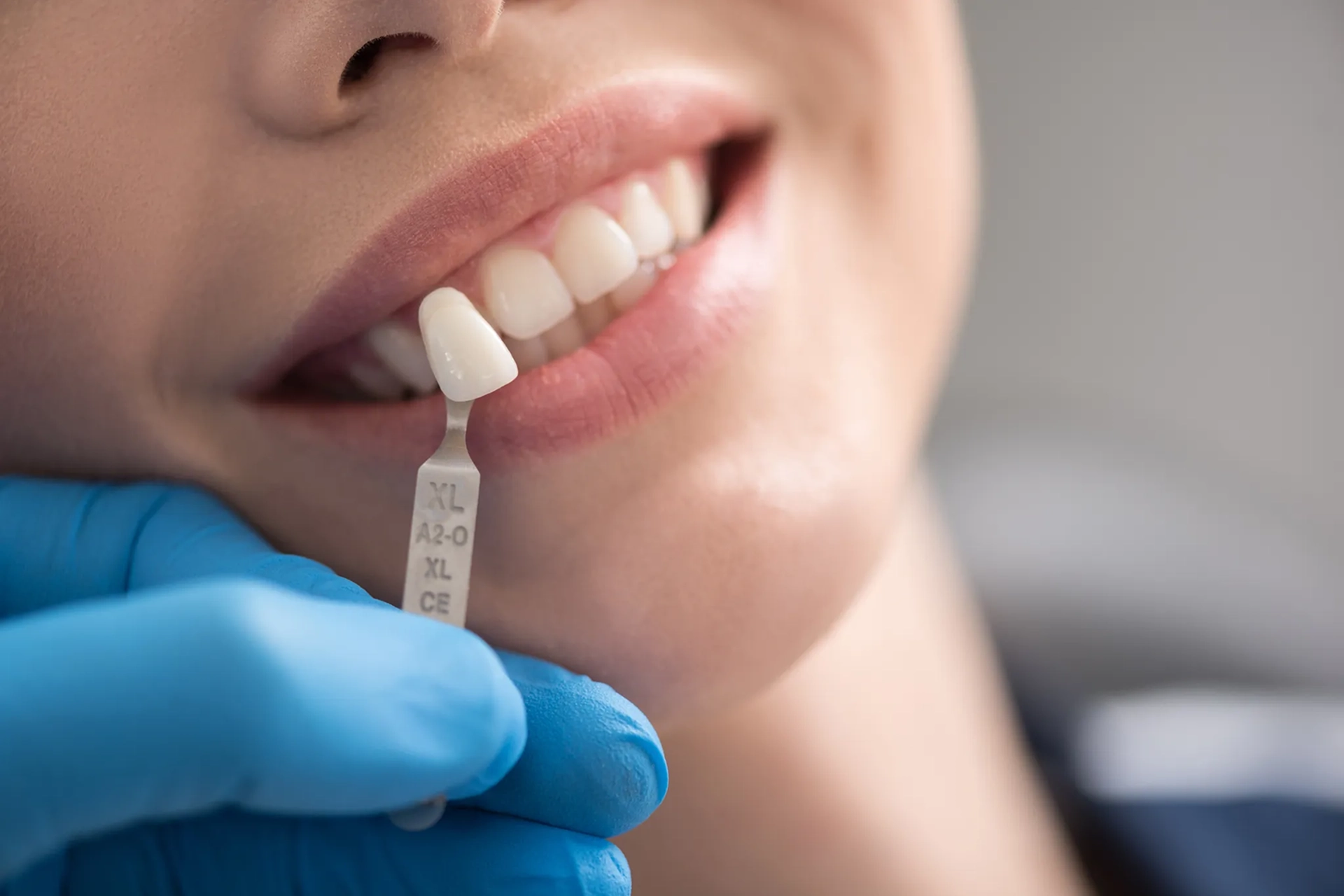
Think of a dental crown as a custom-fitted helmet designed to rescue a tooth that has seen better days. By covering the visible part of the tooth, the crown helps protect the underlying structure and supports comfortable chewing, speaking and everyday use.
Crowns can be made from several materials depending on the patient’s needs. Porcelain crowns are often chosen for their natural appearance, while ceramic crowns offer a strong balance of durability and aesthetics. In many cases, crowns offer an ideal way to reinforce a tooth that has been weakened by significant wear, a fracture or after root canal treatment. If you are also missing one or more teeth, a dental bridge may be worth discussing with your dentist as a complementary restoration option.
How Long Do Dental Crowns Typically Last?
The average dental crown lifespan is typically between 10 and 15 years, although many crowns can last longer with proper care. The material used, your bite forces and everyday habits such as teeth grinding can all influence how long a crown remains in good condition.
If you notice any shifts in how your restoration looks or feels, seeking trusted dentist advice on the Central Coast is the first step toward protecting the tooth underneath. You should also keep an eye out for these common warning signs:
- Visible wear and tear: Any new cracks, chips or jagged edges on the surface.
- Unusual sensations: Sudden sensitivity to hot and cold or localised discomfort when you bite down.
- A strange fit: A crown that feels slightly loose, unstable or like it’s shifting when you chew.
- Margin changes: Subtle signs of decay or dark lines forming where the crown meets your gum line.
Tips to Make Dental Crowns Last Longer
Maintaining good oral hygiene is one of the most important parts of dental crown care. Brushing twice daily and flossing help prevent decay from forming around the crown.
While your crown is tough, it isn’t indestructible, so try to steer clear of foods like peanut brittle or particularly hard raw vegetables. It’s also worth breaking the habit of crunching on ice, which can put immense pressure on your natural enamel and your new restoration, leading to unwanted chips or fractures.
Patients who grind their teeth may benefit from wearing a night splint to protect their crowns during sleep. These small habits, along with simple crown maintenance tips like avoiding using teeth to open packaging or biting nails, can help extend the life of your restoration.
Restore Your Smile with Trusted Dental Crowns
If you’re considering dental crowns on the Central Coast to restore the strength of a damaged tooth, the team at Albany Dental is here to help you navigate your options.
We focus on personalised care and durable results, ensuring every patient has the tools and knowledge to protect their restoration for years to come. Book an appointment online and let’s discuss whether a dental crown is the right solution for your needs.
Frequently Asked Questions
What is the typical lifespan of a dental crown?
Most dental crowns last between 10 and 15 years, though they can last longer with excellent oral hygiene and care.
What are the warning signs that a dental crown might need replacing?
Look for visible chips, sudden sensitivity to temperature, a loose fit, or dark lines forming near the gum line.
How can I protect my dental crown from accidental damage?
Avoid biting hard objects like ice or packaging, and consider a night splint if you tend to grind your teeth.